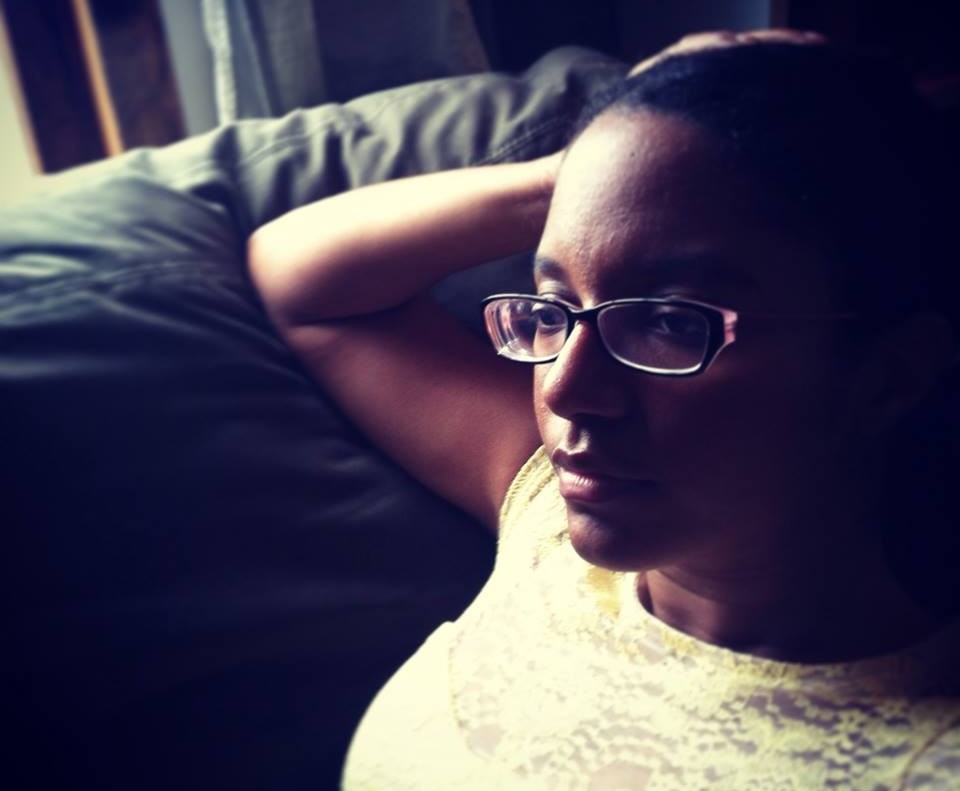

So…hi! I was going to start this in November but I got on a roll today. So, today, I am starting The Writer’s Circle’s 30-Day Writing Challenge. Each day there is a topic and I will do my best to write as honestly and boldly as I can on each. The first one is, admittedly, a bit negative but a necessary truth. To make sure it isn’t all negative, I have tried to include some positive things that I am doing to address/combat each problem as I see it. And here…we…go!
= = =
- It’s addictive. I admit. I have a bit of a Facebook addiction. I usually have a tab with it open on my browser all day long as I tend to post whatever I find encouraging and edifying throughout the days, as well as a few daily staples, like my workout (it’s my personal accountability to post it each day). Aside from Google Hangouts, it’s my main method of communication/knowledge with a great many friends. These are not excuses, simply acknowledgements. But, yes, it’s very addicting. I have been working hard to make sure that Facebook is not the first thing that open on my phone or computer when I wake up in the morning, trying to be intentional about spending those first few moments of the day in quiet time with God before I do anything else (aside from the caring for the toddler if she needs me).
- It’s subjective. Social media allows us, if we want to, to only show the best parts of ourselves and our lives. Facebook, Instagram, Pinterest, etc. We can completely change the image of our lives by what we post and share on social media. We can make ourselves into supermoms, studs, A-students, etc. We live in a comparative society. We compare ourselves to others and they to us. If we are not careful with social media, we can project (as well as accept defeat at the hands of) an image of perfection that no one can live up to. We are here to support one another, not compete with one another, because everyone loses that contest.
- It can be quite negative. I’ve known several people who portray only the worst parts of themselves on social media – the vindictive, critical, argumentative, or bitter. I can entirely understand voicing your opinion but when that privilege comes along with tearing someone, something, an issue, or a stance to tiny little shreds and then dancing over those shreds with malicious glee…no. Such a thing is cowardly and unkind. I have had to check myself on several occasions when I have started to allow my dislike of something to tiptoe from a difference of opinion into unkind nastiness. True, I tend to pull myself back fast but the dirty feeling doesn’t leave quite as quickly. We need to make sure that we are not allowing ourselves to spread or be infected by the massive levels of negativity that can pervade social media. If that means unfollowing, unfriending, or not posting altogether, then that’s a conversation you need to have with yourself.
- We can fall into the approval trap. We need to be careful that we are not basing our self-esteem on the approval of social media. Our pictures, our stories, our opinions. I never want the basis of my personal self to be built on how many comments I received on that selfie or how many people liked my blog post, even. We cannot build ourselves around the shell of social media.
- It can distance us rather than connect us. There are articles and videos and PSAs aplenty about social disconnect and how being connected on social media can actually leave us physically and emotionally disconnected with those in our personal sphere. I don’t want that to happen. I am working harder on putting my phone down or computer aside when my daughter runs up excitedly and wants to tell me something, or cuddle with me and read a book or watch a movie. I trying to be intentional in conversations with my husband: turn off the ringer/put the phone down, set the laptop aside, turn the TV down or off, full eye contact, and actually listen to what is being said to me because, whatever it is, it is important to him, important enough for me to give him my full and loving attention, even if all he wants me to do is listen as he orders his mind through conversation. I never want to be so media connected that I am socially no good.
 MWGS: Mom, Writer, Geek, Superwoman